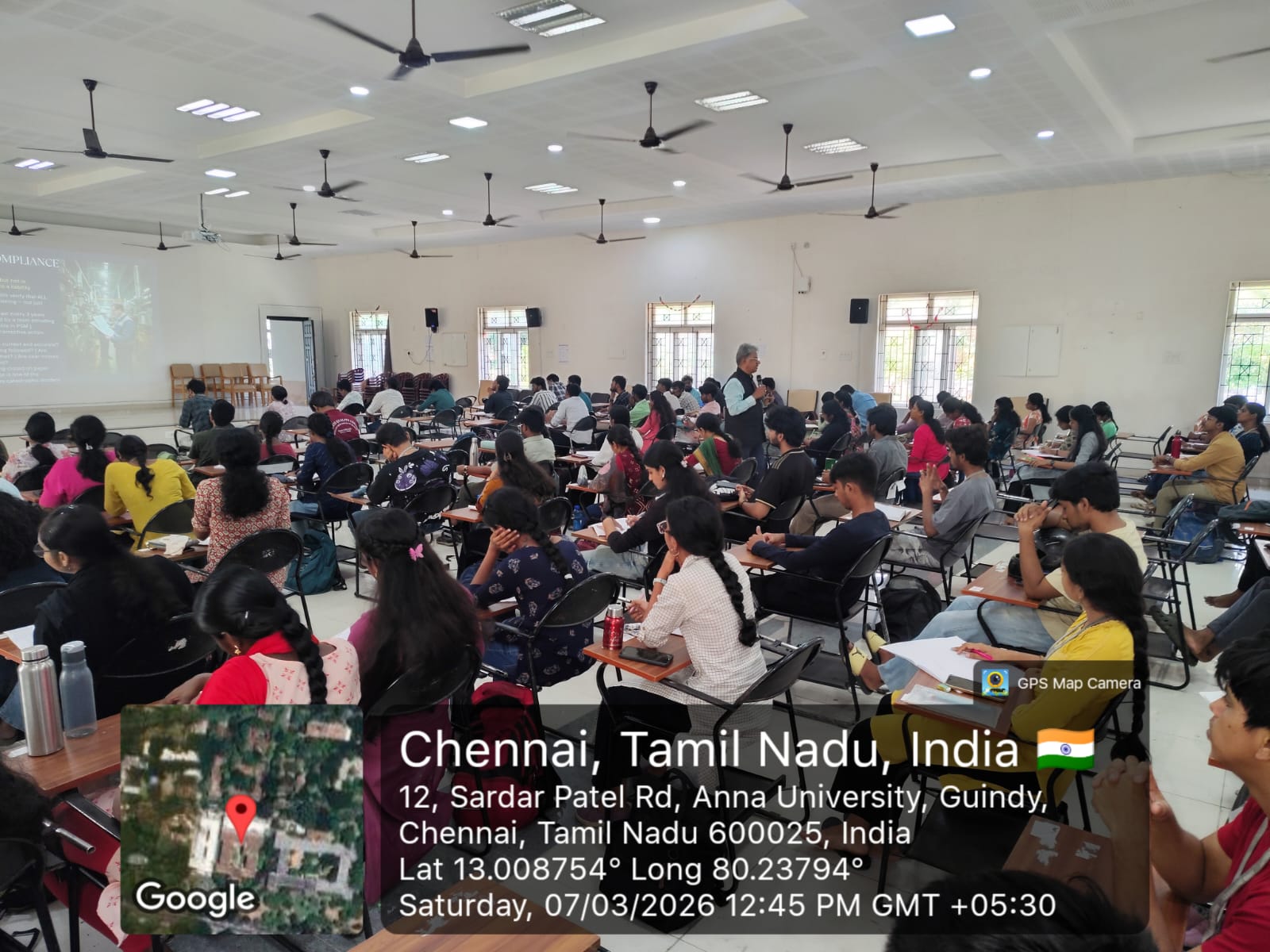
7 March 2026
A.C. College of Technology, Anna University
A nearly three-hour workshop on Process Safety Management and all 14 of its elements, for about 140 B.Tech Chemical Engineering students.
For chemical & petroleum engineering
Fifteen years in petroleum refining at CPCL, two decades building IT for the oil and gas industry, and now AI applications for process plants. Students and professionals hear how plants actually run, how they are going digital, and how to keep them safe.
Dr. Sundararaman Chintamani · Reinvention Catalyst for the AI Era · 129+ engagements since 1993 · English and Tamil · In person in Chennai · other cities and online by arrangement
Heads of department and professional bodies usually tell me the same things.
Students learn the equations, but few have seen how a plant is run, controlled and maintained day to day.
Sensors, digital twins and analytics are changing plants now. The curriculum takes years to catch up.
Students want to know whether AI will help or threaten their careers, and how to use it as engineers.
Process safety is learned from incidents and discipline, not from a list of rules on a slide.
The meeting point of process engineering, IT and operational technology offers careers that rarely come up in class.
Departments look for guest faculty who have worked in plants and can answer students' practical questions.
Every session starts from how plants really work, and ends with what it means for the engineers in the room.
Real situations from fifteen years in petroleum refining make every concept concrete.
Instrumentation, control strategies, DCS, SCADA and safety systems, IIoT and digital twins, shown as they are used in plants.
Where AI helps chemical engineers today, with live demonstrations. At one session, every student built a working data visualisation on their own phone.
The 14 elements of process safety management, lessons from incidents, and the careers that open up where process engineering meets IT.
Sessions range from a one-hour guest lecture to a multi-day value-added course. Many are run with a college's Chem Skill Development Centre.
What the department or professional body gets.
Industry 4.0 for chemical and petroleum engineers; digital technologies in oil and gas; digitalisation, driving data to decisions; data standards in the oil and gas industry.
Practical AI for process optimisation, predictive maintenance and simulation; AI for saving water.
Instrumentation, control strategies, DCS, SCADA and process historians; the role of operator training simulators.
Process Safety Management and its 14 elements, and incident management systems.
Petroleum refining from crude oil to products; enterprise asset management for oil and gas; integrated refinery information systems.
Design thinking for oil and gas; cybersecurity in critical infrastructure.
Petroleum refining at Madras Refineries, now CPCL, where he also inducted new graduate engineer trainees and later taught the Petroleum Refining paper of the BITS Pilani–CPCL programme.
Led oil and gas work in IT services, and presented at Petrotech, the India Oil & Gas Review Symposium and FICCI's Energy Technologies Forum.
His AI applications include AIEVA, an AI advisor for plant operator training, and ChemBuddy, a virtual plant tour. See Ideas to Execution.
Also visiting faculty at the School of Petroleum Management, PDPU.
Institutions and bodies he has spoken at include
7 March 2026
A nearly three-hour workshop on Process Safety Management and all 14 of its elements, for about 140 B.Tech Chemical Engineering students.
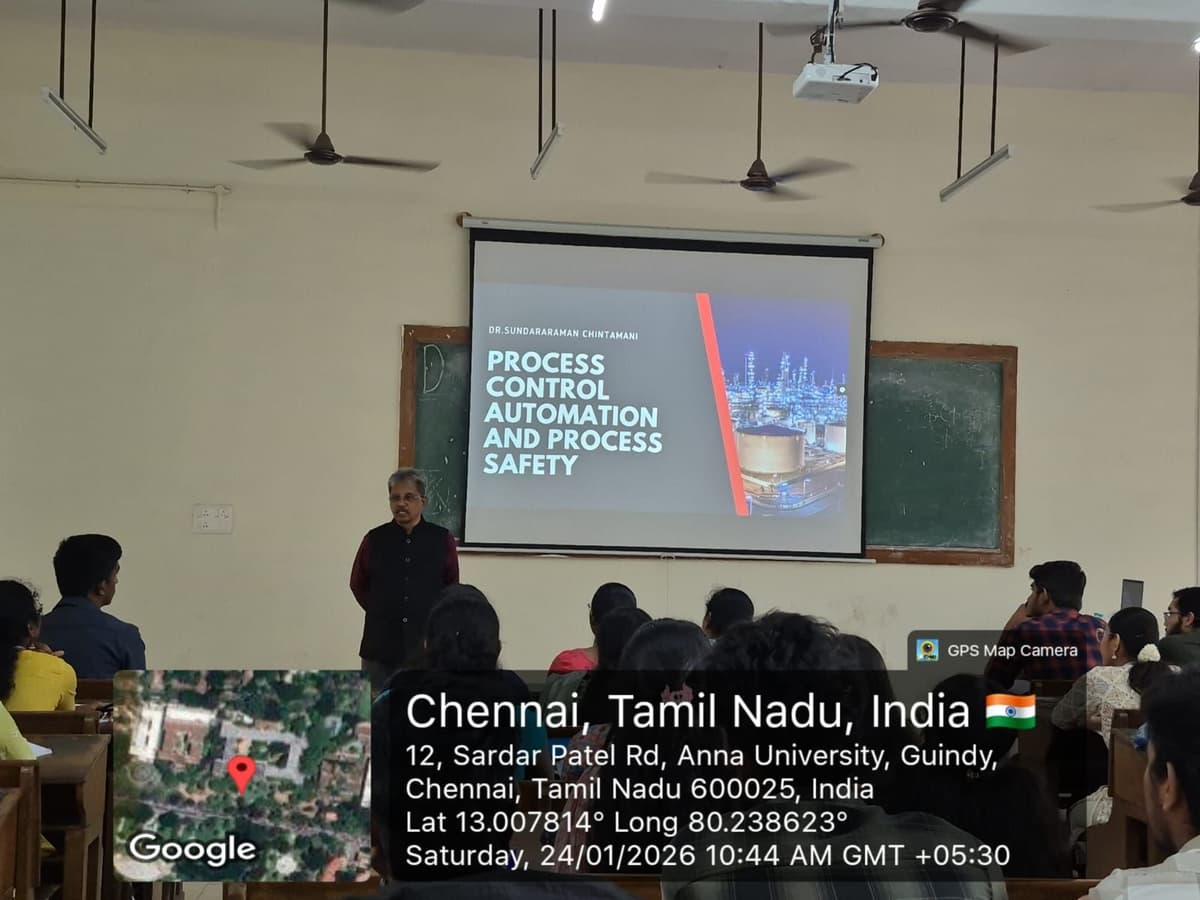
24 January 2026
A six-hour session on process control automation and process safety for more than 156 Chemical Engineering students in two batches. Rated 4.8 and 4.6 out of 5.
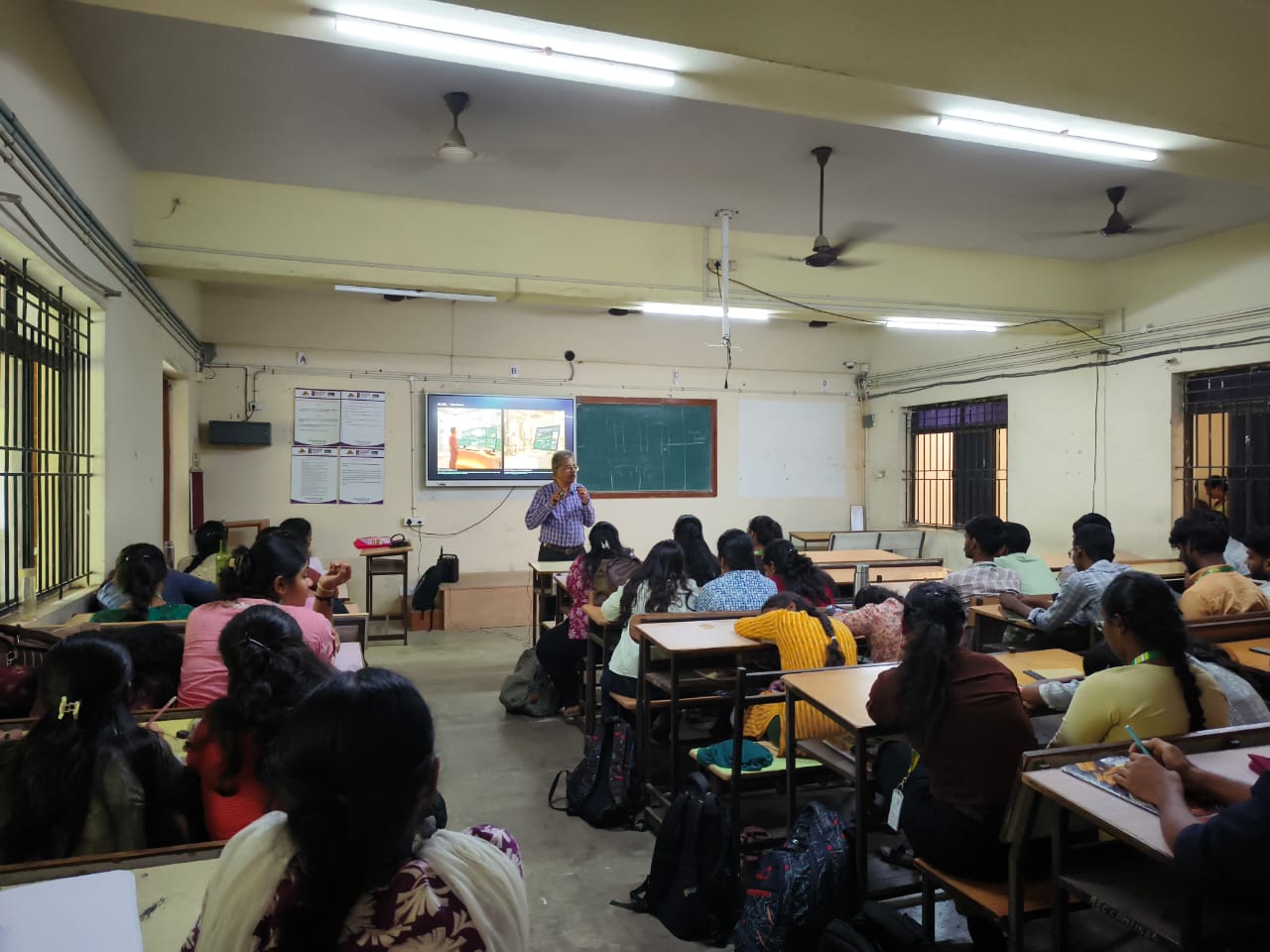
28 August 2026
Industry 4.0 for future chemical engineers, in a 10-day value-added course: automation, connected systems, analytics and AI in the chemical and oil and gas industries.
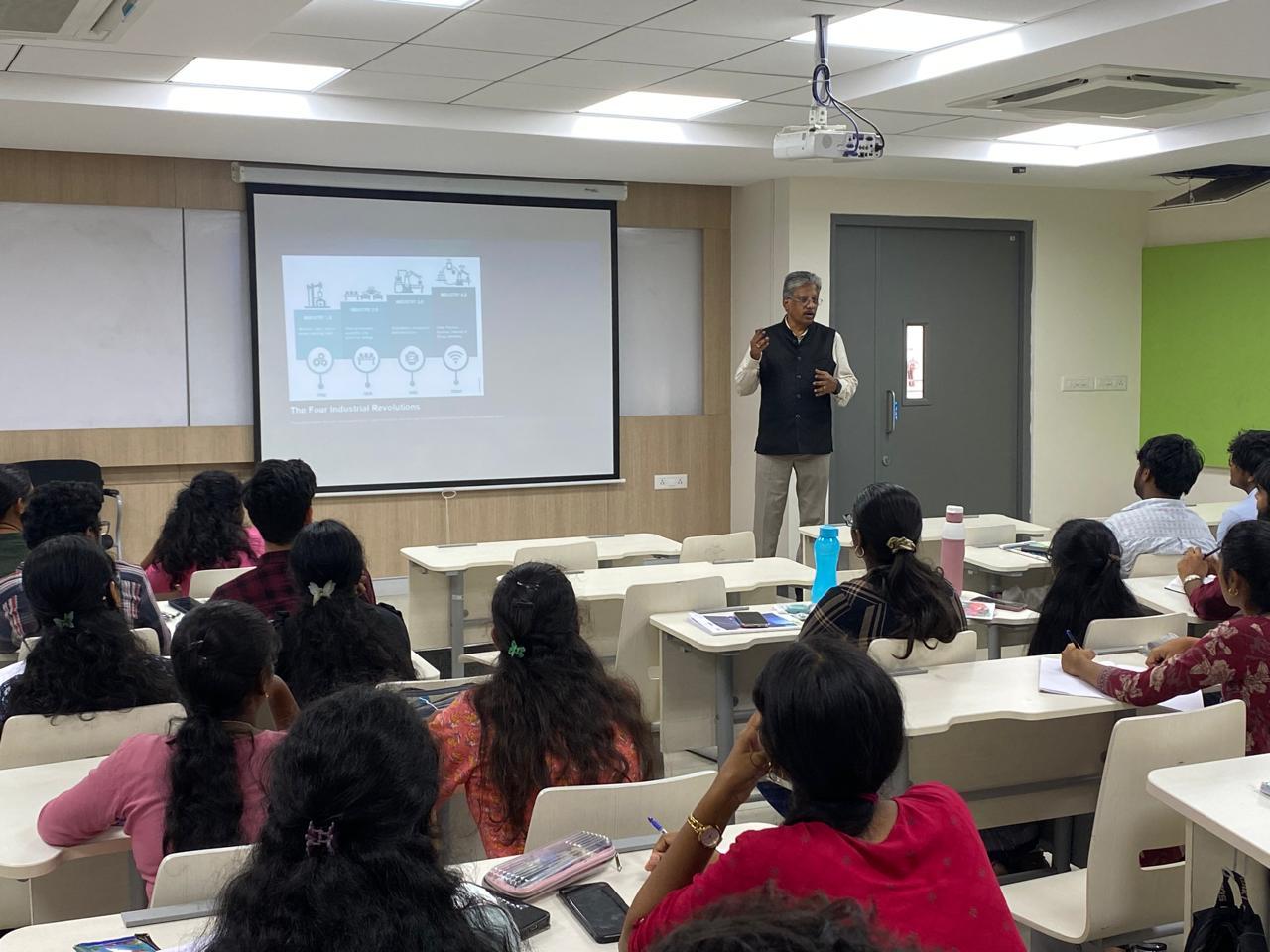
27 March 2026
Guest lecture on Industry 4.0 for third-year Chemical Engineering students: IIoT, robots, AI and ML, AR/VR and digital twins, drones and cyber-physical security.
24 March 2026
Keynote on AI for saving water: flood warnings, chemical dosing, leak detection and pump scheduling. Every student built a working data visualisation on their own phone.
17 April 2026
AI for chemical engineers: practical uses of AI for simulation engineers, from process optimisation to data-driven decisions.
13 February 2026
Automation and process control, at a full-day workshop on process safety and operational excellence for chemical industry professionals.
8 October 2025
Industry 4.0 for Chemical Engineering students in their core training week: digital transformation, data analytics, automation and smart sensors.
28 May 2025
Industry 4.0 for B.Tech Petroleum Engineering students. 93% rated it 4 or 5 out of 5.
17 December 2025
Closing keynote on cybersecurity in critical infrastructure for more than 200 students: OT security, real incidents and careers at the IT–OT intersection.
6–10 June 2022
A deep-dive design thinking workshop built around oil and gas use cases.
October 2019
A course on enterprise asset management for oil and gas, as visiting faculty.
8 June 2018
Panel speaker on "Digitalisation: Driving Data to Decisions".
2018
Guest lecture on digital technologies in oil and gas.
22–23 August 2013
Chief Guest and keynote at a national conference on separation techniques in chemical and petroleum engineering.
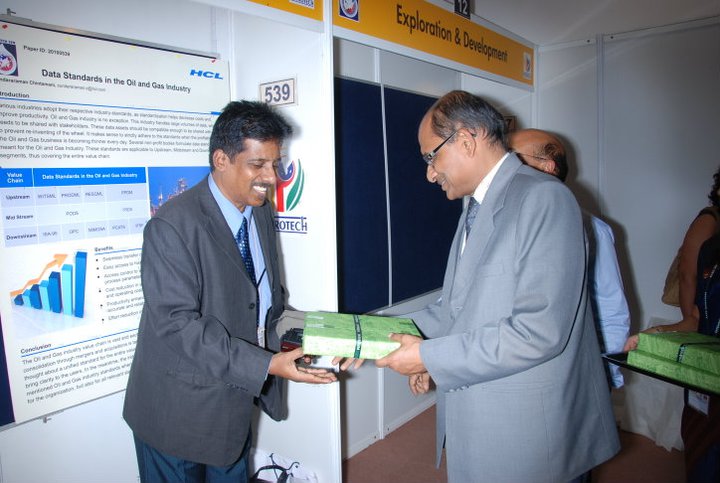
October 2010
Poster presentation on data standards in the oil and gas industry.
September 2006
Paper on incident management systems.
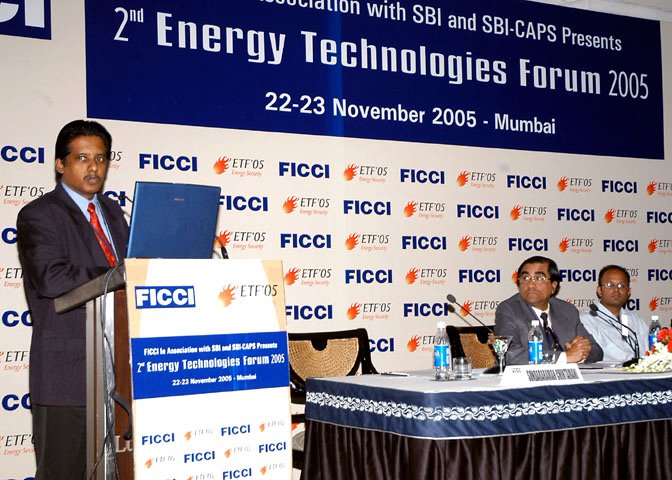
22–23 November 2005
Paper on integrated refinery information systems.
October 1993
Paper on the role of operator training simulators.
See all 129+ engagements since 1993 →
“I appreciate and thank Dr. Sundar for all his valuable time and imparting valuable insights and inspiration to the students pursuing their career in Oil and Gas field at global level through a 7 days' Virtual Training on the topic "IT For Oil & Gas Industry".”
“Sundar has significant insights in to Refining processes, and contemporary IT solutions relating to the same.”
One to two hours, for a class or a department event.
Three to six hours, in one or two batches.
7.5 to 15 hours, with an assessment.
Keynote, paper or panel for professional bodies.
Industry 4.0, AI for chemical engineers, plant automation and process control, process safety management, petroleum refining, enterprise asset management, digital technologies in oil and gas, design thinking for oil and gas, and cybersecurity in critical infrastructure.
Yes. Sessions have been delivered for petroleum engineering students at Anna University, management students at PDPU's School of Petroleum Management, and a national conference on chemical and petroleum engineering at VIT.
Yes. Most subjects can run as a value-added course of 7.5 to 15 hours, with an assessment at the end.
It covers all 14 elements of process safety management, from process hazard analysis to emergency planning and response, with lessons from real incidents.
Yes, where the venue has reliable internet. Students use an AI tool to build something working within minutes.
Yes. Past sessions and papers include the Society of Petroleum Engineers, FICCI, Petrotech, the India Oil & Gas Review Symposium and the Chemical Industries Association.
Sessions in Chennai are in person. Other cities, and online delivery, can be arranged.
It depends on the format and length. Tell me what your department or body has in mind and you will get a clear figure.
Share the date, the city and the audience. You will get a clear reply.
Or call +91 98409 23764 · [email protected]